
Camp Mystic

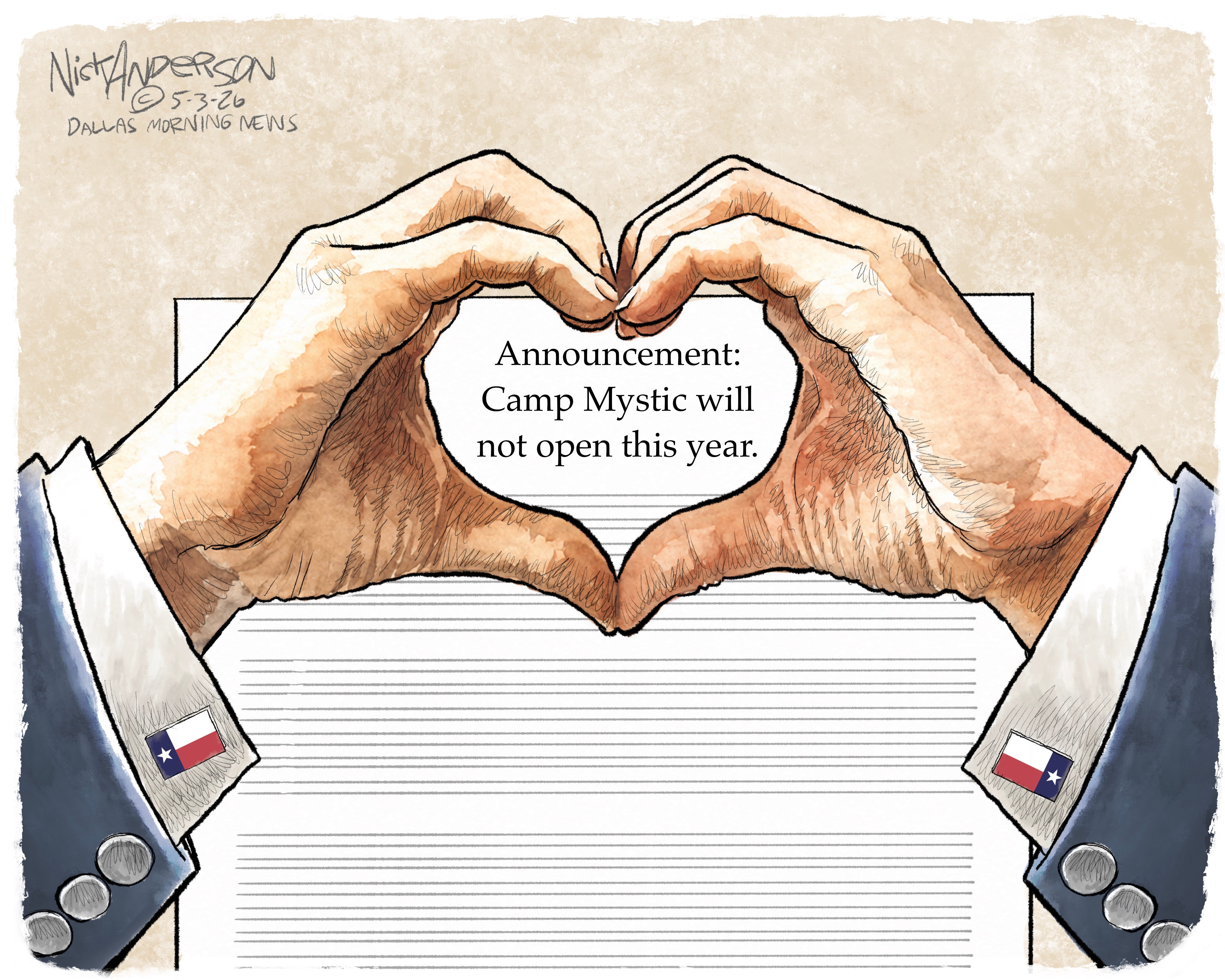
Camp Mystic announced it will not reopen this summer following the catastrophic 2025 floods that killed 27 campers and counselors.
The camp withdrew its license application, citing ongoing grief and investigations
Families of victims largely welcomed the decision, while continuing to seek accountability
State officials had raised concerns about safety plans and compliance with new laws
Investigations and lawsuits are still ongoing, with scrutiny on the camp’s response to the disaster
There are moments when the right decision isn’t complicated. It’s just difficult.
Camp Mystic’s choice not to reopen this summer, after the floods that killed 27 girls and counselors, is one of those moments.
For weeks, the possibility of reopening hovered over grieving families like a second storm. How do you resume normal operations at a place still defined by tragedy? How do you welcome hundreds of children back to grounds where investigations are ongoing, lawsuits are unfolding, and one victim has still not been found?
You don’t.
And now, finally, the camp has acknowledged that reality.
To its credit, Camp Mystic framed the decision in terms that should have guided it from the beginning: no summer season should proceed while families are still grieving and while the facts of what went wrong remain unresolved. That’s not just a statement. It’s an admission that reopening this quickly would have been premature at best, and deeply insensitive at worst.
Because this isn’t simply about logistics or licensing. It’s about trust.
The camp didn’t evacuate as floodwaters surged, rising from 14 to 30 feet in under an hour. That decision—or failure—now sits at the center of investigations and lawsuits. Before Camp Mystic can credibly promise safety again, it has to answer the most basic question: what happened, and why?
You can’t rebuild trust on a timeline dictated by the calendar. You rebuild it with transparency, accountability, and time, none of which can be rushed.
The families understand that better than anyone. Their response to the closure was not triumph, but resolve. They are still asking questions. Still seeking answers. Still trying to ensure that what happened at Camp Mystic never happens again. That process matters more than any summer session ever could.
There’s also a broader lesson here. In the aftermath of tragedy, there is often pressure—financial, institutional, even emotional—to “move forward.” To reopen. To signal resilience. To get back to normal.
But sometimes, moving forward too quickly isn’t resilience. It’s avoidance.
In this case, reopening would have sent the wrong message: that the priority is continuity, not accountability; business, not truth.
By stepping back, Camp Mystic has done something simple but essential. It has acknowledged that some things can’t, and shouldn’t, be hurried.
There will be a time to rebuild. A time to reopen. A time, perhaps, to create new memories on those grounds. But that time is not now.
Right now, the focus should be exactly where it belongs: on the families, on the investigation, and on ensuring that the next chapter, whenever it comes, is built on something stronger than hope.
It should be built on answers.
I’m probably the only person on earth that worries about the ending to things before I get started doing it. I look at hiking trails and imagine what I will feel like as I come back down the trail tired, sunburned and dehydrated. How difficult will it be to come back down? I always worry about what the consequences will be to something I plan on doing before I start on a project.
.
My late husband and I were traveling along the Mississippi river and basin. Just beautiful. The lazy old Mississippi river flowing along gently, nice houses sitting along the river bank. Trees (and kuduz ) everywhere. Really calm and green. And then, there I go, wondering how much rain it would take to flood the houses, destroy any pork, poultry or horses, wiping out everything a person has. Mystic Lake Camp should have never been built where it was. It was too close to the river. Communication was too sporadic and easily failed, supervision of the precious children was very poor. These horrible things should teach us something from the terrible suffering and pain. When they rebuild the camp, they need someone just like me to help plan it. Someone who looks at all the possible things that could happen to the little campers, BEFORE they begin to rebuild it They need to plan for the unthinkable to occur and develop safety and evacuation plans before a shovel hits the sod. Saying, “I’m sorry” is never enough. LEARN from it!
By allowing the investigations to continue regardless of possibly more findings against them Camp Mystic is showing more responsibility than our government.