
Mail-In Voting

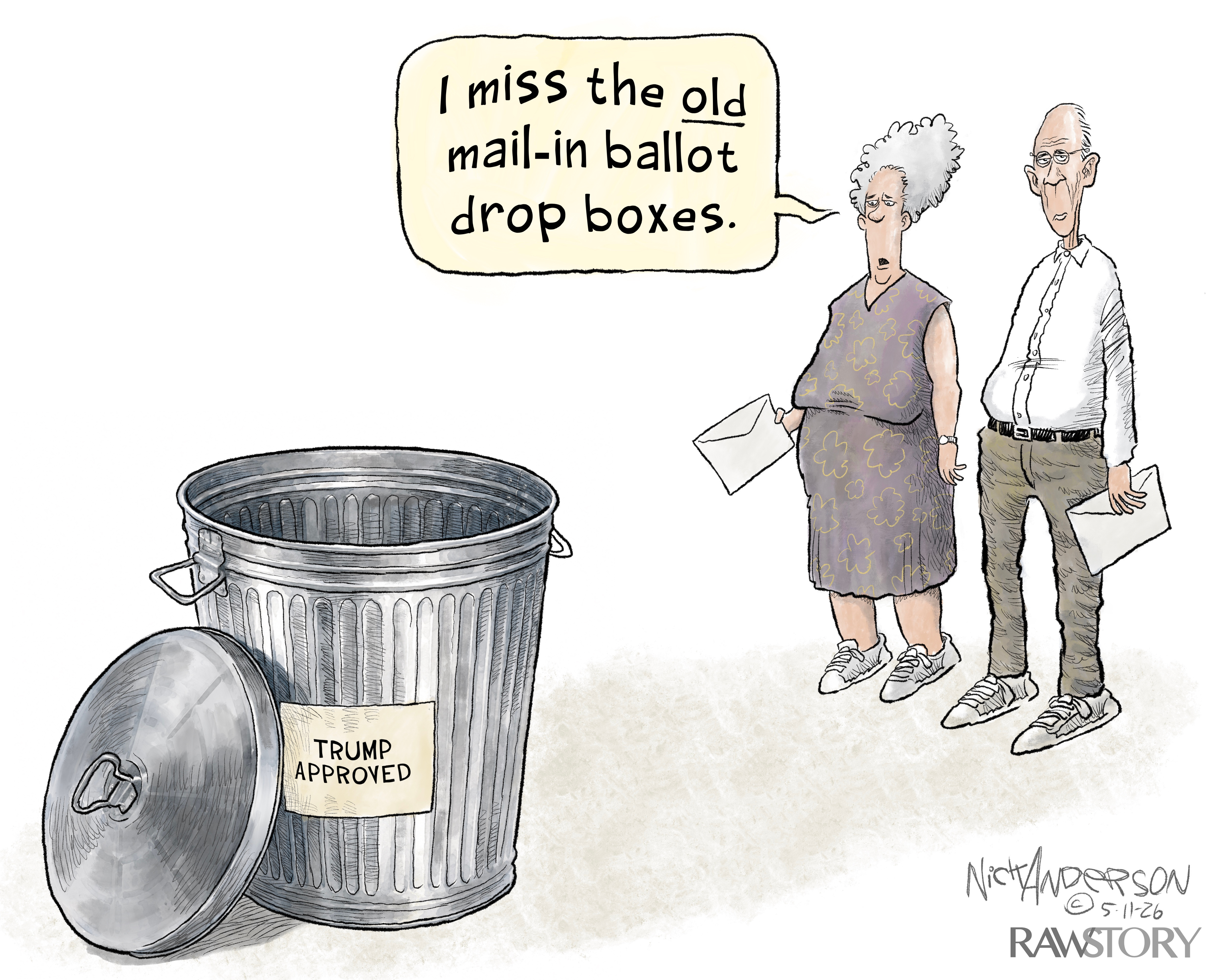
There are bad ideas, and then there are ideas so impractical, so constitutionally dubious, and so fundamentally misguided that you wonder if anyone involved paused long enough to think them through. Turning mail carriers into election police is one of those ideas.
The latest Trump proposal would effectively force the U.S. Postal Service to verify voter eligibility for mail-in ballots, transforming an already strained federal agency into something resembling a roaming election enforcement unit. It’s a plan that manages to be, all at once, unworkable, unnecessary, and corrosive to both democracy and basic governance.
Start with the obvious: this is not what postal workers do. They deliver mail. They navigate neighborhoods, not voter databases. They sort packages, not citizenship records. Asking them to determine who is and isn’t eligible to vote isn’t just outside their expertise. It’s outside the very mission of the agency.
Even postal leadership and unions are raising alarms, warning that the system lacks the resources, infrastructure, and clarity to pull this off. And that’s putting it mildly. The Postal Service is already grappling with financial strain and operational challenges. Now it’s supposed to layer on a complex, legally fraught system of voter verification? That’s not a policy. That’s a recipe for breakdown.
Then there’s the legal reality. Election administration in the United States is largely a state responsibility. Voter rolls, eligibility rules, ballot validation, these are functions governed by state law, managed by election officials, and subject to well-established processes and timelines. Injecting a federal agency like the Postal Service into that chain—especially at the delivery stage—doesn’t just complicate things. It risks outright conflict with existing law.
And for what? There’s no credible evidence of widespread fraud in mail-in voting that would justify this kind of overhaul. What this proposal offers instead is a solution in search of a problem. One that introduces new risks while solving none.
Consider the practical implications. Mail carriers could face potential liability for delivering ballots later deemed “ineligible.” That alone is enough to create hesitation, confusion, and inconsistency. Do carriers second-guess deliveries? Delay them? Refuse them outright?
The result isn’t enhanced security. It’s chaos. And chaos, when it comes to voting, has a predictable effect: it discourages participation.
That may not be the stated goal, but it’s the likely outcome. Adding layers of uncertainty and friction to the voting process—especially at the last mile—makes it harder for people to trust that their vote will be counted. It creates opportunities for delays, disputes, and disenfranchisement.
There’s also a deeper concern here, one that goes beyond logistics. The Postal Service has long been one of the most trusted institutions in American life precisely because it is seen as neutral. It delivers to everyone, regardless of politics, ideology, or identity. Turning it into a gatekeeper of voter eligibility risks politicizing that trust. Once that line is crossed, it’s not easily uncrossed.
Public confidence in elections depends on clear roles, transparent processes, and institutions that people believe are acting fairly. Blurring those lines, especially by assigning politically sensitive tasks to agencies not designed for them, undermines that confidence.
It’s worth asking a simple question: what problem does this actually solve? If the answer is unclear, that’s because the problem it purports to address is largely illusory. Meanwhile, the problems it creates are very real: legal conflicts, operational confusion, and a potential erosion of trust in both the postal system and the electoral process.
There’s a reason election systems are designed the way they are. There’s a reason roles are defined, responsibilities are separated, and expertise is respected. This proposal ignores all of that.
The Postal Service doesn’t need a new mission policing voter eligibility. It needs the resources and support to do the job it already has: delivering the mail efficiently, reliably, and without political interference. That’s more than enough responsibility. And it’s one worth protecting.
Your cartoon sadly hits the mark!
The postal service is inefficient as it is. The Trump proposal sounds like a recipe for disaster.
You summed it up quite accurately: "It's a plan that manages to be, all at once, unworkable, unnecessary, and corrosive to both democracy and basic governance."
Perhaps, that's the whole point!
Good grief! Does Trump understand how ANY government agency works??