
The Midterms

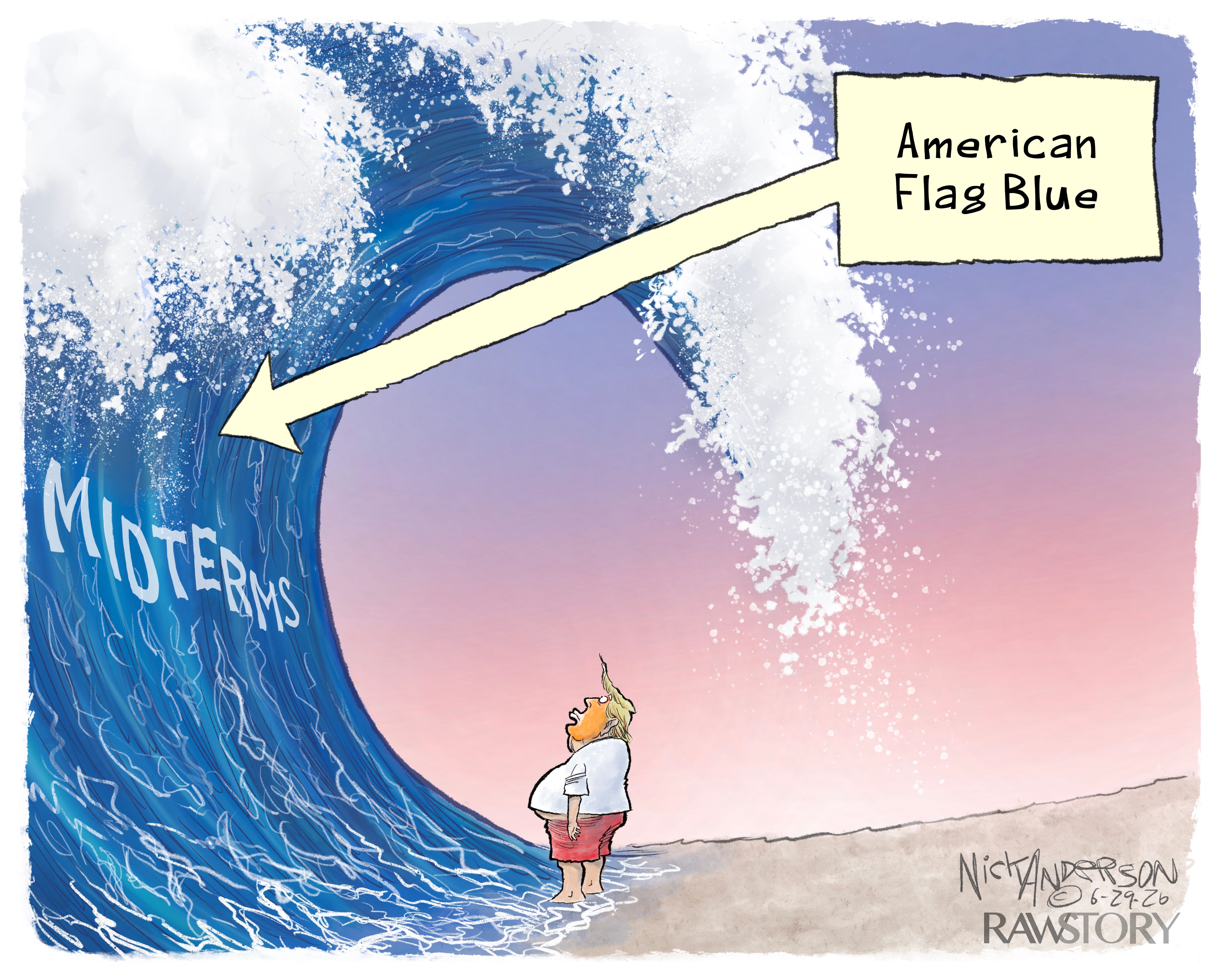
Donald Trump appears convinced he has found the secret to winning the 2026 midterms. If voters become unhappy, simply redraw the districts. Republicans have embraced an unprecedented mid-decade redistricting campaign designed to squeeze a few extra House seats out of states they already control. It’s the political equivalent of moving the goalposts after halftime. The strategy may work around the margins. But it rests on a dangerous assumption: that even Republican-leaning voters are more loyal to him than they are about the price of groceries, endless political drama, or a government that increasingly resembles a reality show. History suggests otherwise.
The irony is that Trump seems to understand the political danger he faces. That’s why he’s become obsessed with election rules. He browbeats Congress to pass the SAVE Act, pressures states to redraw congressional maps, and insists every electoral safeguard imaginable is urgently needed. You don’t spend this much time trying to change the rules unless you’re worried about the score.
The problem is that maps don’t vote. People do.
Even members of Trump’s own party are beginning to say so. After losing his Republican primary, Rep. Thomas Massie warned that Trump has alienated libertarians, fiscal conservatives, anti-war Republicans, and independent-minded voters whose support the party will need in November. You can dismiss Massie as a disgruntled former congressman if you like, but he’s describing something larger than his own defeat: a coalition that is steadily shrinking even as Trump tightens his grip on the GOP.
Look at the administration’s record over the past few months. The promised DOGE revolution produced far less savings than advertised while throwing hundreds of thousands of federal employees out of work. The administration’s signature foreign-policy achievement was an Iran agreement that left supporters and critics alike asking what, exactly, America gained. A $14 million effort to repaint the Lincoln Memorial Reflecting Pool “American flag blue” turned into an algae-covered punchline complete with criminal investigations over peeling paint. Republicans were preparing to celebrate a bipartisan housing bill addressing affordability until Trump canceled the signing ceremony because he’d rather talk about voting restrictions that even Republican senators say cannot pass.
These are not the hallmarks of a confident administration. They’re the actions of one that keeps changing the subject. Midterms are usually referendums on the party in power. Gerrymandering may protect a handful of incumbents, but it doesn’t lower inflation. It doesn’t make housing more affordable. It doesn’t erase public frustration. And it certainly doesn’t persuade independent voters that Washington has suddenly become competent.
In fact, there’s a real risk the redistricting campaign backfires. Aggressive partisan map-drawing has historically energized opposition voters, fueled lawsuits, and reinforced public perceptions that politicians are choosing their voters instead of voters choosing their politicians. Even analysts who believe Republicans could gain seats through redistricting warn that the effort may provoke precisely the kind of backlash that narrows those gains.
Trump’s political instinct has always been that every problem can be solved through domination: more lawsuits, more executive orders, more loyalty tests, more threats, more favorable maps.
But there remains one obstacle he has never fully conquered. Reality.
No amount of gerrymandering can redraw public opinion. If enough Americans conclude that the administration has spent more time staging spectacles than solving problems, no congressional map will be oddly shaped enough to save it. Eventually, every politician runs out of districts to redraw. Then comes Election Day.
I’m not religious but I pray you are correct about the elections. I just grieve over the many people who are dying or having their lives destroyed while we wait.
I hope he can't swim, though I understand that manure does float.